

Everyday Escape: New Report Exposes The Silent Addiction Epidemic in Offices, Campuses and Everyday Life
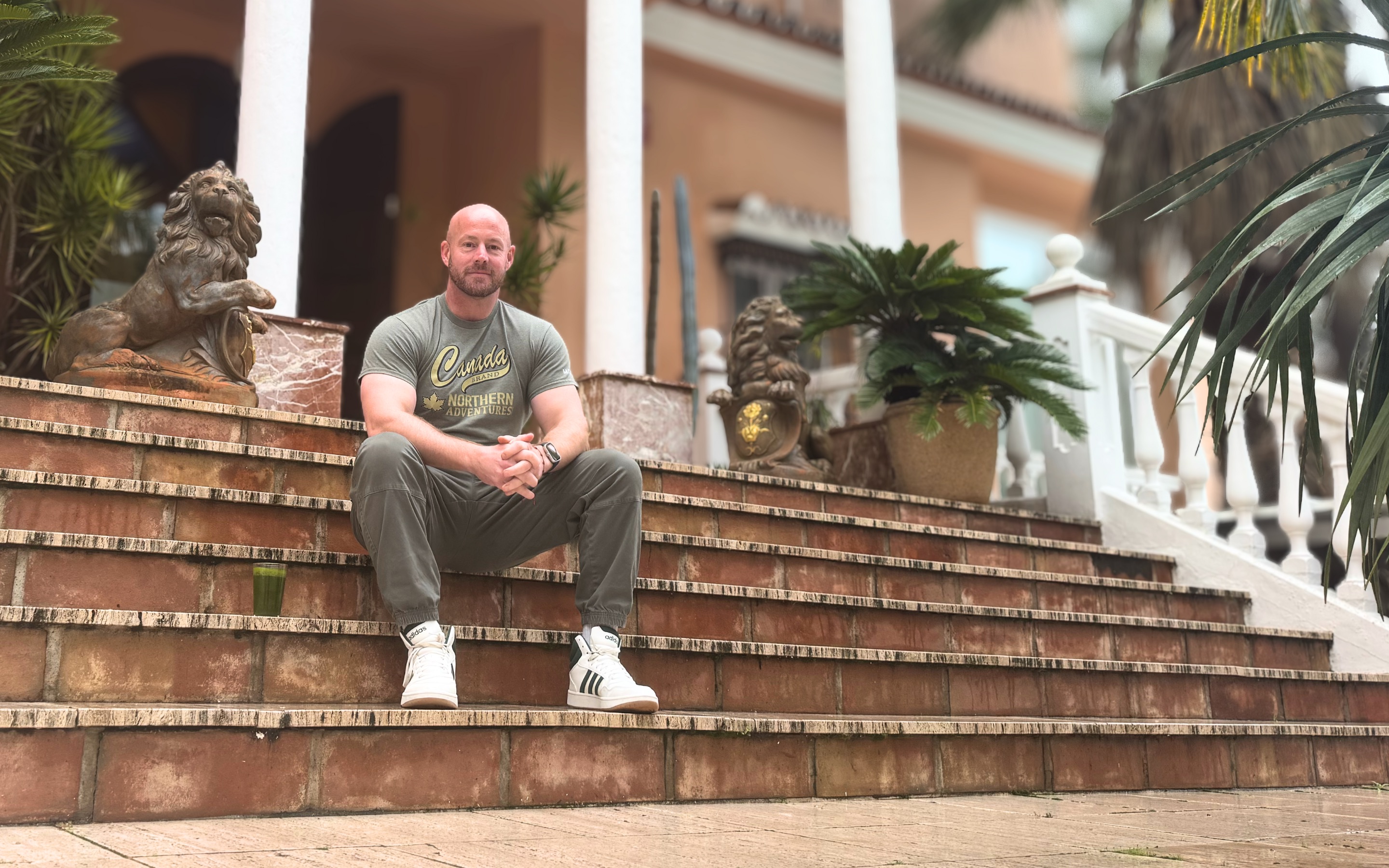
Millions of young adults in US, UK & EU are trapped in normalised substance use destroying lives yet the Satori Recovery report offers a new hope.
MANILVA, MALAGA , SPAIN, February 10, 2026 /EINPresswire.com/ -- A silent epidemic is quietly hollowing out the lives of an entire generation. Across the United States, the United Kingdom and the European Union, millions of young adults aged 18–40 are reaching for alcohol, cocaine, cannabis, prescription medications, opioids, ketamine, and a growing array of synthetic drugs not merely for pleasure or celebration, but as routine anaesthesia against chronic stress, isolation, burnout and the unrelenting demands of modern existence.What began as occasional relief has become deeply normalised, even quietly expected, in the very environments where ambition and identity are forged: university campuses, corporate offices, networking events, client dinners, after-work drinks, and the high-pressure social circuits that now define professional success.
In lecture halls, pubs and bars, binge drinking and substance misuse are still treated as rites of passage. In City boardrooms and tech incubators, cocaine is often the unspoken lubricant of deal-making and long nights. At business conferences and launch parties, champagne toasts slide seamlessly into lines in the bathroom. University students micro-dose Adderall or modafinil to survive exam seasons; lawyers and bankers rely on alcohol or cocaine to decompress after 80-hour weeks; founders celebrate funding rounds with ketamine because “everyone does it.”
These are not fringe behaviours. They are the ambient culture of achievement in 2026 and behind the confident exteriors, marriages are quietly crumbling, promising careers are stalling, mental health is collapsing, and thousands of bright, driven young people are unravelling in private shame and despair.
A major new transatlantic report, led by Luke Hand, CEO and Founder of Satori Recovery, a dual-diagnosis mental health rehabilitation centre based in Manila, Spain, confronts the full scale and human toll of this crisis. It argues that the widespread cultural acceptance of substances as everyday coping tools has dangerously delayed recognition, intervention and genuine recovery.
“We have normalised the very things that are destroying us,” says Luke. “Alcohol at every networking event and client dinner, cocaine as the price of staying competitive, prescription pills to keep pace, cannabis or ketamine to switch off the noise in our heads. We wait until the marriage ends, the job is lost, the overdose happens, the breakdown arrives, then we finally act. That delay is costing lives, relationships and futures. It has to stop.”
In the world’s universities, binge drinking remains normalised. Substance misuse (Adderall, Ritalin, cocaine, ketamine) is increasingly common to manage academic pressure and deadlines, with surveys showing one in three UK students engaging in harmful alcohol use and rising reports of poly-substance experimentation.
In corporate and business environments the “work hard, play hard” ethos has evolved into functional dependence: after-work drinks that become daily habits, cocaine use during high-stakes deals or late-night sessions, alcohol as the default decompression tool after intense days, and widespread acceptance of substances to cope with performance anxiety and imposter syndrome.
Workplace across sectors. Consistent surveys reveal that around one in three employees either use substances themselves or witness misuse on the job, frequently framed as legitimate stress relief; younger professionals (18–34) report the highest rates of alcohol and substance-related impacts on attendance, concentration and long-term performance.
Yet the forthcoming Satori Recovery report is not merely a catalogue of despair. It is also a clear, urgent message of hope and practical possibility.
At Satori Recovery, Luke Hand and his multidisciplinary team have developed a radically different model of care one that rejects the notion of addiction as a moral failing or a purely chemical issue. Their work intensively with the underlying drivers: unresolved trauma, chronic stress, attachment wounds, emotional dysregulation, unmet needs for connection and meaning while simultaneously providing clinical support to safely address the substance or behavioural pattern itself.
Through carefully structured programmes that integrate trauma-focused therapy, cognitive behavioural techniques, somatic regulation, family systems work, life-skills rebuilding, mindfulness practices, peer support and robust long-term aftercare, Satori is successfully helping individuals break free from every form of addiction: alcohol dependence, cocaine and stimulant cycles, opioid and prescription misuse, ketamine and synthetic drug patterns, gambling, compulsive behaviours and step back into lives that feel authentic, purposeful and sustainable.
“Hope is not lost,” Luke emphasises, “addiction is not a life sentence or a character defect. When we stop treating only the symptom and instead meet the whole person their history, their pain, their potential recovery becomes not just possible, but probable. People leave Satori with rebuilt careers, restored relationships, renewed mental health and, most importantly, a sense of agency and meaning they had forgotten was possible. That transformation happens every day here, and it is the future this report is calling society to embrace.”
The Satori Recovery transatlantic report will be published in the coming months. It will provide policymakers, university leaders, employers, clinicians, families and communities with a detailed, evidence-informed blueprint for early identification, destigmatisation, proactive screening, compassionate intervention and genuinely effective, integrated care.
Because waiting for rock bottom is no longer acceptable. The time to recognise the crisis, to offer real understanding, and to extend genuine hope is now.
About Satori Recovery
Satori Recovery is a specialist addiction and dual-diagnosis rehabilitation centre in Manila, Spain, dedicated to whole-person treatment of substance and behavioural addictions. Founded by Luke Hand, the centre combines clinical rigour with profound compassion, helping individuals reclaim their lives through trauma-informed therapy, family reconnection, skill development and lifelong recovery support.
Alfie Brown
A-B MEDIA
+34 608 78 08 71
email us here
Legal Disclaimer:
EIN Presswire provides this news content "as is" without warranty of any kind. We do not accept any responsibility or liability for the accuracy, content, images, videos, licenses, completeness, legality, or reliability of the information contained in this article. If you have any complaints or copyright issues related to this article, kindly contact the author above.
